Chimney Flashing Repair in Faygate
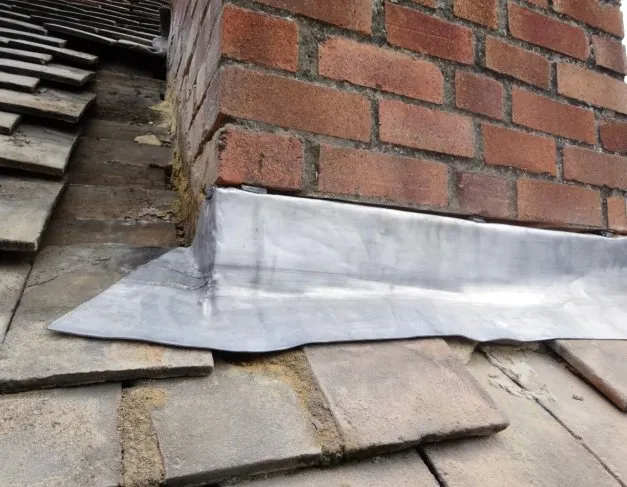
Learn the early signs of failing lead flashing around your chimney in Faygate
If you have noticed a damp patch upstairs, a musty smell that appears after rain, or staining around the chimney breast, do not ignore it. Chimneys are one of the most common leak points on UK roofs because the join between the roof covering and brickwork is exposed to wind, rain, and temperature changes all year round.
This guide is written for homeowners who want clarity, not scare stories. It explains the early warning signs, the common causes of chimney flashing leaks, what a proper repair involves, and when you should call a roofer. If you are looking for chimney flashing repair Faygate, this will help you understand what you are dealing with before it turns into internal damage.
What chimney flashing does
Chimney flashing is the waterproof seal where the roof meets the chimney stack. On most homes, it is lead. Lead is used because it can be shaped tightly to tiles and brickwork, and it lasts well when installed correctly.
A typical set-up can include:
step flashing along the sides of the chimney
lead soakers tucked under tiles or slates
apron flashing at the front
back flashing or a back gutter at the rear where water can build up
When any part of that system lifts, cracks, or loses its seal, water can track into the roof and show inside as a chimney flashing leak.
Early signs your chimney leadwork is starting to fail
Many leaks start small. The earlier you catch them, the simpler the repair is likely to be.
Damp or staining around the chimney breast
A light brown tide mark that darkens after rainfall is a classic sign. If it comes and goes with wet weather, flashing is high on the list.
Leaks that appear in driving rain
If water only shows up during heavy rain with wind, it can be because rain is being forced under a lifted edge of lead.
Lead that looks lifted or wavy
From ground level, you may notice lead that no longer sits tight against the chimney. If the edges look like they have pulled away, it is worth getting it inspected.
Cracks or splits in the lead
Small splits can be hard to see from below, but they are a common cause of recurring leaks. Older patch repairs can also crack and let water in.
Loose mortar where the lead meets the brickwork
Flashing is often chased into a mortar joint. If that mortar is crumbling or missing, water can run behind the lead and into the roof structure.
Moss and staining around the chimney junction
Moss keeps the area damp and can slow drainage. Staining around the junction suggests water is not being shed cleanly.
New issues after stormy weather
High winds can loosen lead edges and shift tiles around the chimney. If problems start after storms, treat it as urgent roof repairs rather than a “wait and see”.
What causes chimney flashing leaks
Most failures come down to a few predictable issues.
Age and weather exposure
Even good leadwork can loosen over time due to expansion and contraction and years of wind-driven rain.
Poor installation or short-term patching
Sealant and bitumen-style repairs rarely last. They can also hide the real fault and make proper leadwork repair more awkward later.
Failed pointing and chase joints
If the chase joint fails, the lead can lift. Once that happens, water can start tracking behind the flashing.
Movement in the chimney or roof
Small movement can open gaps. You might see hairline cracks in mortar or a slight change in how the lead sits.
Extra water from blocked gutters or nearby roof details
Overflowing guttering or a valley that channels water towards the stack can overwhelm weak points around the chimney.
What repairs involve on a proper job
A good roofer will avoid guesswork. Water often travels before it shows indoors, so the repair needs to be based on inspection.
A proper chimney flashing repair Faygate job may include
checking all sides of the chimney, including the rear
inspecting surrounding tiles and roof underlay where accessible
re-dressing lifted lead back into position
replacing split or perished sections if repair is not reliable
renewing step flashing and lead soakers where needed
securing the lead into the chase and finishing with sound mortar
replacing any cracked tiles around the chimney
The rear of the chimney is often the key area. It takes a high water load and is a common place for hidden leaks to start.
When to call a roofer
If you spot early signs, you can usually avoid bigger damage. Call a roofer if you notice
damp patches near the chimney breast that worsen after rain
recurring stains upstairs
visible lifting or cracking lead
mortar falling away where the lead meets the brickwork
problems starting after high winds or storms
If water is coming through near electrics or you have active dripping, treat it as urgent.
Chimney flashing repair costs in Faygate
Costs vary because access and safety matter. Two identical repairs can price differently depending on whether scaffolding is needed.
Main factors include
chimney height and roof pitch
access around conservatories or extensions
how many sides need attention
whether surrounding tiles or pointing also need work
whether it is an emergency call-out
The best way to compare quotes is to ask for a clear scope of works and photos of what is being repaired.
Why Choose Summit Contractors?
With years of experience serving Broadbridge Heath and the wider Horsham area, Summit Contractors is known for reliable, honest workmanship. We offer:
- Free, no-obligation quotations
- Clear pricing with no hidden fees
- Expert guidance tailored to your property
- Local knowledge of Broadbridge Heath homes and weather patterns
- Fully insured services with satisfaction guaranteed
Our team takes pride in offering a friendly, respectful service. We tidy up after ourselves and complete every job with minimal disruption to your daily routine.